 English
 عربى
عربى Español


محتوى
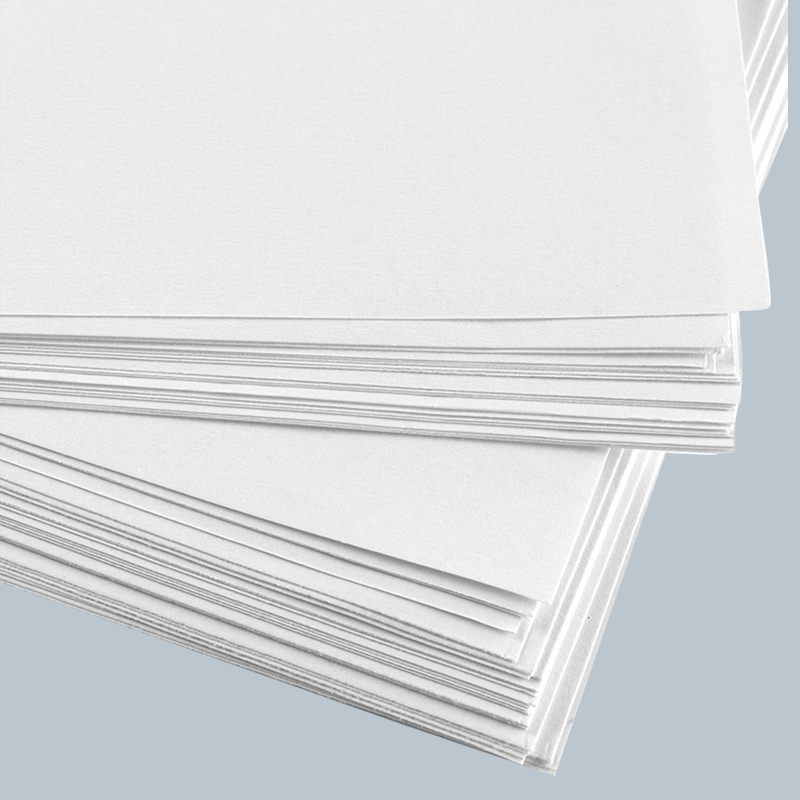
Food grade ivory board paper is widely used for packaging, tags, cards, and printed materials that come into direct or indirect contact with food products. One of the most important decisions when sourcing this material is selecting the correct thickness, since thickness affects everything from structural rigidity to printing quality and final production cost. This article breaks down how ivory board thickness is measured, what the common thickness ranges are used for, and how to match thickness to specific application needs.
فهم كيفية قياس سمك لوح العاج
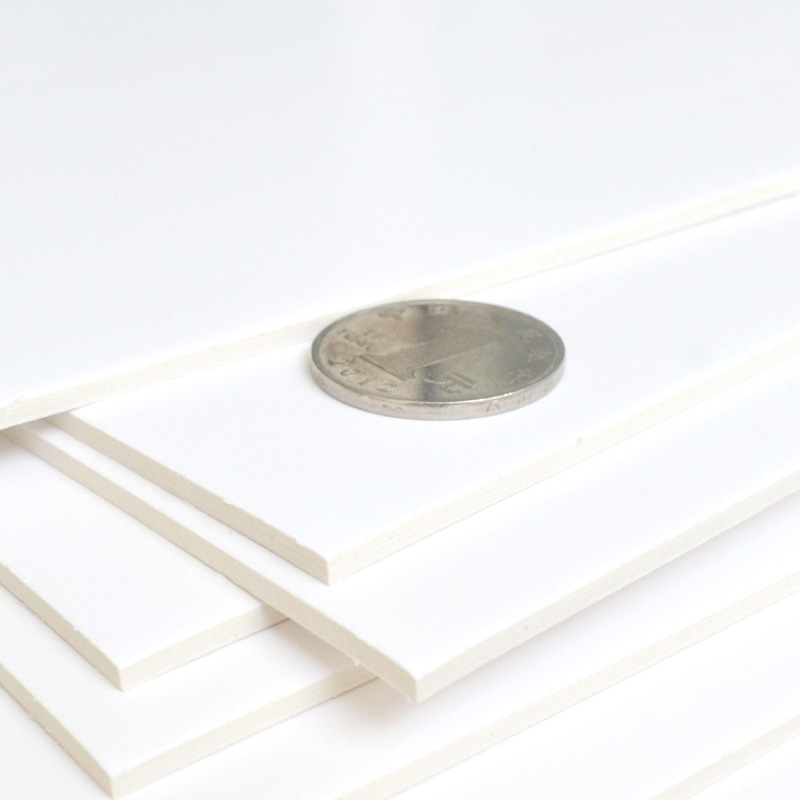
Ivory board paper thickness is typically expressed in either grams per square meter (GSM) or millimeters (mm), depending on regional conventions and industry standards. GSM measures the weight of the paper per unit area, which correlates closely with thickness for a given paper density, while millimeter measurements give a direct physical thickness reading. Understanding which unit a supplier uses is essential, since GSM and mm are not directly interchangeable without knowing the paper's density.
لماذا يهم السُمك أكثر من مجرد المتانة
Thickness influences more than how rigid the final product feels in hand. It affects how well the board holds ink during printing, how it folds or creases along production lines, and how much material cost is added per unit produced. Choosing a thickness that is heavier than necessary increases material and shipping costs without adding functional benefit, while choosing one that is too thin can result in a flimsy product that fails to protect food contents or hold its shape during handling.
نطاقات السماكة الشائعة واستخداماتها النموذجية
Food grade ivory board is manufactured across a range of thicknesses, each suited to different product categories. The table below outlines commonly available thickness ranges and the applications they typically serve.
| سمك (جي إس إم) | Approximate Thickness (mm) | تطبيق نموذجي |
| 150-180 جي إس إم | 0.18-0.22 ملم | القوائم، والتسميات، والعلامات خفيفة الوزن |
| 200-250 جي إس إم | 0.24-0.30 ملم | بطاقات العمل، شنق العلامات، إدراجات |
| 300-350 جي إس إم | 0.35-0.42 ملم | Folding cartons, gift boxes |
| 400–450 GSM | 0.48-0.55 ملم | صناديق تغليف المواد الغذائية، الصواني الصلبة |
| 500 جرام وما فوق | 0.60 ملم | Heavy-duty packaging, display boxes |
مطابقة السُمك لفئة المنتج
Different food-related products call for different structural demands, and thickness should be selected based on how the finished item will be used and handled throughout its lifecycle.
مواد مطبوعة خفيفة الوزن
تعمل القوائم وملصقات المنتجات والمدخلات المعلوماتية بشكل جيد بشكل عام مع لوحة أخف وزنًا في نطاق 150 إلى 180 جرامًا لكل متر مربع. These items do not need to bear structural weight, so a thinner board reduces cost while still providing a smooth, printable surface suitable for food-safe inks.
العلامات والبطاقات
Hang tags, business cards, and product identification cards typically require a mid-range thickness between 200 and 250 GSM. يوفر هذا النطاق صلابة كافية لمقاومة الانحناء أثناء المناولة مع الحفاظ على سهولة الطباعة والقطع والتشطيب بالطلاء أو النقش.
طي كرتون وتغليف الهدايا
تتطلب الصناديق الكرتونية القابلة للطي المستخدمة في سلع مثل سلع المخابز أو الحلويات أو مجموعات الهدايا عمومًا لوحًا يتراوح وزنه بين 300 إلى 350 جرامًا في المتر المربع. This thickness allows the board to hold a crease cleanly during folding while providing enough structural support to maintain the carton's shape once assembled.
تغليف المواد الغذائية الصلبة والصواني
التعبئة والتغليف التي يجب أن تدعم وزن محتويات الطعام مباشرة، مثل صواني المخابز أو الصناديق الصلبة، تتطلب عادةً 400 جرام في المتر المربع أو أعلى. بهذا السُمك، يقاوم اللوح الترهل ويوفر حماية أفضل ضد التكسير أثناء النقل والتكديس.
Heavy-Duty and Display Packaging
Premium display boxes and heavy-duty packaging designed to convey a high-end product presentation often use board at 500 GSM or above. This thickness provides a substantial, premium feel but comes with higher material costs and requires equipment capable of handling thicker stock during die-cutting and folding.
العوامل التي تؤثر على اختيار السُمك الصحيح
بالإضافة إلى مطابقة السُمك مع فئة المنتج العامة، يجب أخذ عدة عوامل إضافية في الاعتبار قبل وضع اللمسات النهائية على المواصفات.
- وزن المنتج الغذائي الذي يجب أن تدعمه العبوة
- Expected handling conditions, including stacking and transport distance
- متطلبات الطباعة والتشطيب، مثل النقش أو ختم الرقائق أو التصفيح
- القيود المفروضة على معدات الطي والقطع في منشأة الإنتاج
- أهداف التكلفة وكيف يؤثر السُمك على نفقات المواد والشحن
اختبار السماكة قبل الإنتاج الكامل
Before committing to large production runs, it is good practice to request physical samples at the intended thickness to test how the board performs with actual printing equipment, folding processes, and food contact requirements. Sample testing can reveal issues such as cracking along fold lines or inconsistent print absorption that may not be apparent from a thickness chart alone. Working closely with the paper supplier to confirm both the GSM and food-grade certification for the selected thickness helps avoid costly production issues later.
إجراء اختيار موثوق للسمك
اختيار السماكة المناسبة ل ورق من الورق العاجي بدرجة الطعام يتعلق الأمر بموازنة المتطلبات الهيكلية للمنتج النهائي مقابل التكلفة وكفاءة الإنتاج. Using a thickness chart as a starting reference, then validating the choice through sample testing and consultation with a supplier, ensures the final packaging or printed material performs reliably while meeting food safety requirements. A well-matched thickness not only supports the functional needs of the product but also contributes to a polished, professional presentation that reflects positively on the brand.